
HousingThink Extra – Episode 5
This HT Extra introduces listeners to members of the nation’s workforce, the people whose daily labor keeps the economy moving. The episode highlights the essential roles these workers play and sets the stage for deeper conversations about the housing challenges they face across different industries and regions.
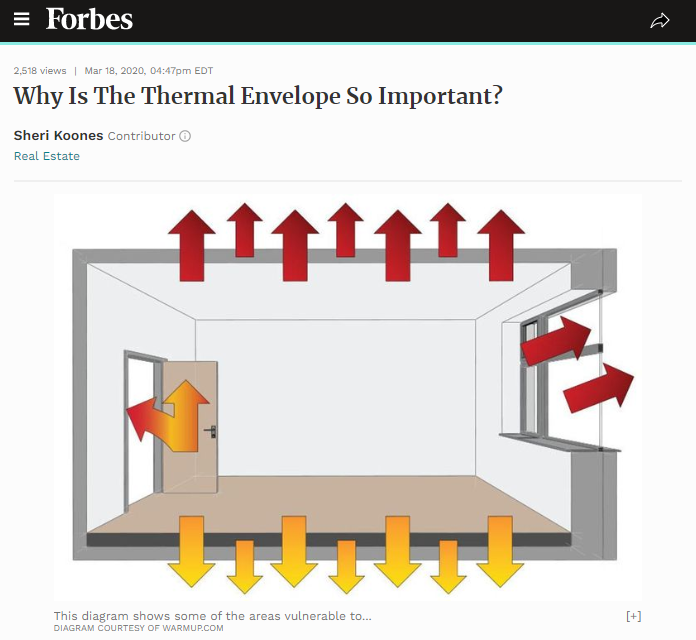
Why Is The Thermal Envelope So Important?
This article explains why the thermal envelope is one of the most important elements in home construction. While homeowners often focus on style, layout, and finishes, the thermal envelope determines how efficiently a house uses energy and water. A strong envelope helps the home function as a complete system, reducing waste, lowering utility costs, improving comfort, and minimizing reliance on toxic or inefficient materials. It is both an environmental priority and a long term financial advantage for homeowners.

Prohibiting Underground Parking Creates Obstacles for Affordable Housing
This article outlines how proposed rules from the District’s Department of Energy and Environment would restrict underground parking for purely residential buildings unless developers secure a code modification. Mixed use projects, however, would retain the ability to build underground parking by right. These changes add another barrier to delivering affordable housing, increasing costs and limiting design flexibility for projects that rely on efficient parking solutions to remain financially feasible.
HousingThink Podcast – Episode 6
This episode explores how veterans fit into the workforce housing market and why so many workforce housing renters end up in lower quality homes. The discussion highlights the unique financial and logistical challenges veterans face when searching for stable, affordable housing, as well as the broader market pressures that push many renters into older, less desirable units. It underscores the need for more purpose built workforce housing that supports veterans and other essential workers.
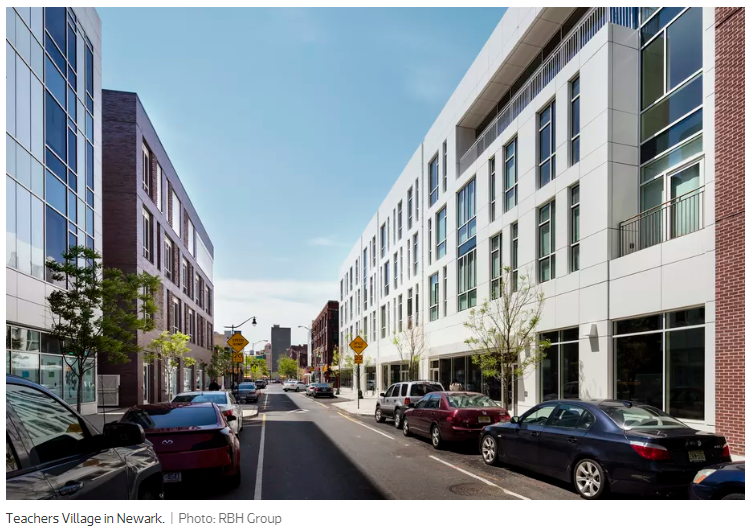
How Developers are Helping Teachers Find Affordable Housing
Teacher salaries have fallen behind housing costs in many metro areas. Adjusted for inflation, teacher pay has dropped four point five percent since the 2009–10 school year, while national home prices have climbed more than forty three percent. This widening gap has pushed many educators out of the communities they serve or out of the profession entirely. The article highlights how developers and school districts are partnering to create dedicated housing solutions for teachers, offering stable, affordable homes that help retain talent and strengthen local schools.
HousingThink Podcast – Episode 7
This episode focuses on the housing challenges teachers face when trying to live near the schools where they work. Rising rents, limited supply, and long commutes make it difficult for educators to find stable, affordable homes within their districts. The conversation also explores strategies for partnering with local municipalities to create new housing options tailored to this essential workforce, highlighting how collaboration and thoughtful planning can support teachers and strengthen communities.

Why Affordable Housing Is So Hard to Find in America’s Big Cities
This article explains how increased land use and zoning regulation has driven housing prices higher across most states. Vanessa Brown Calder’s research for the Cato Institute shows that states with the largest growth in rules and restrictions also experience the steepest increases in real home prices. The piece notes that federal housing funds often flow to states with more restrictive zoning, unintentionally discouraging local reforms that would expand supply. The result is a system where regulation raises costs, limits new development, and makes affordable housing harder to find in major cities.
HousingThink Podcast – Episode 8
This episode looks at the housing challenges firefighters face, including long commutes, limited availability near stations, and rising rents that outpace wages. The conversation also revisits the debate around rent control, emphasizing why price caps often fail to improve long term affordability. Instead of expanding supply, rent control can reduce it, pushing essential workers like firefighters farther from the communities they serve.
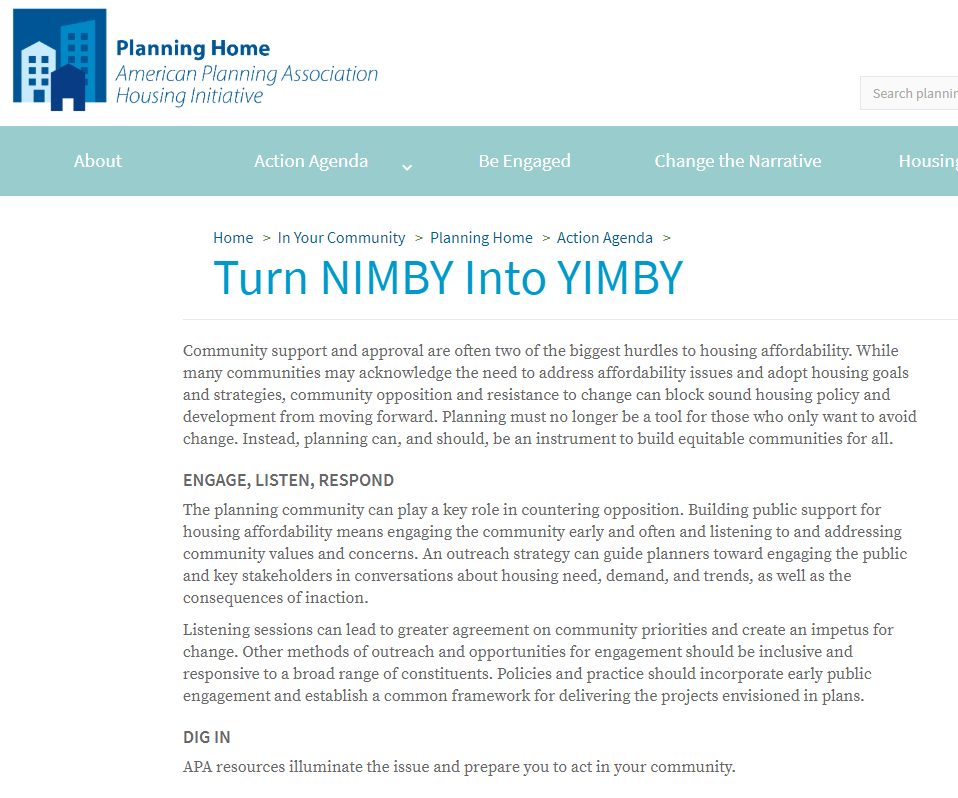
The YIMBY Act Passes House by Voice Vote
This update highlights the bipartisan momentum behind the YIMBY Act, legislation aimed at encouraging cities to modernize outdated zoning codes that restrict housing supply. By tying Community Development Block Grant Consolidated Plans to pro‑housing reforms, the bill pushes local governments to adopt practices that support more flexible land use and reduce barriers to new development. With versions introduced in both the House and Senate, the YIMBY Act reflects growing national recognition that regulatory modernization is essential for expanding housing opportunities and strengthening local planning efforts.
HousingThink Podcast – Episode 9
This episode examines why police officers often end up living in older housing and, in many cases, face long daily commutes. Limited affordability, rising rents, and the mismatch between wages and modern apartment prices push many essential workers farther from their jobs. The conversation also highlights the growing momentum of the YIMBY movement, which advocates for more housing supply and more flexible development policies to help reduce these pressures.
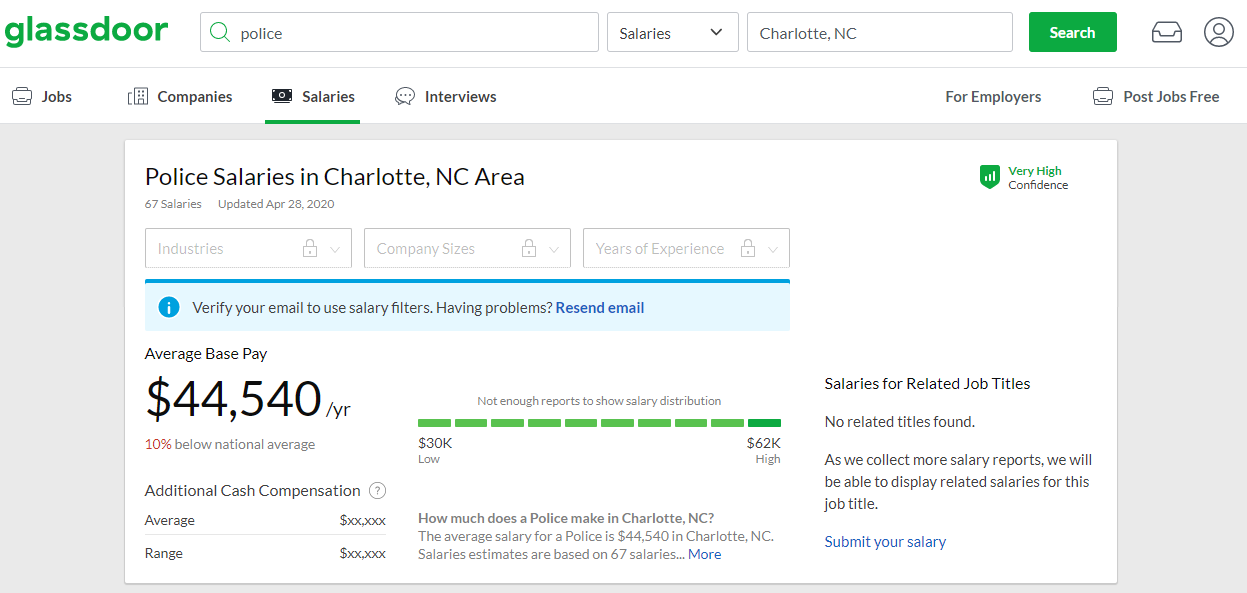
Police Salaries in Charlotte, NC
Police officers in Charlotte earn too much to qualify for affordable housing yet too little to comfortably rent newer market rate apartments. With an average salary of forty four thousand five hundred forty dollars, officers earn just over half of the area’s median family income. Using a standard rent qualification ratio of thirty percent, the typical officer can afford about one thousand one hundred thirteen dollars per month, which is roughly twenty five percent below rents in newer multifamily communities. This gap pushes many officers into older, less desirable housing options and highlights the broader challenge facing essential workers across the region.
HousingThink Podcast – Episode 10
This episode focuses on the housing challenges faced by administrative assistants and single parents, two groups that often struggle to find stable, affordable homes near their workplaces. The discussion highlights how limited availability, rising rents, and location constraints create barriers to workforce mobility. The news segment introduces an innovative training incentive program designed for workforce housing renters, showing how skill building opportunities can strengthen both housing stability and long term economic advancement.
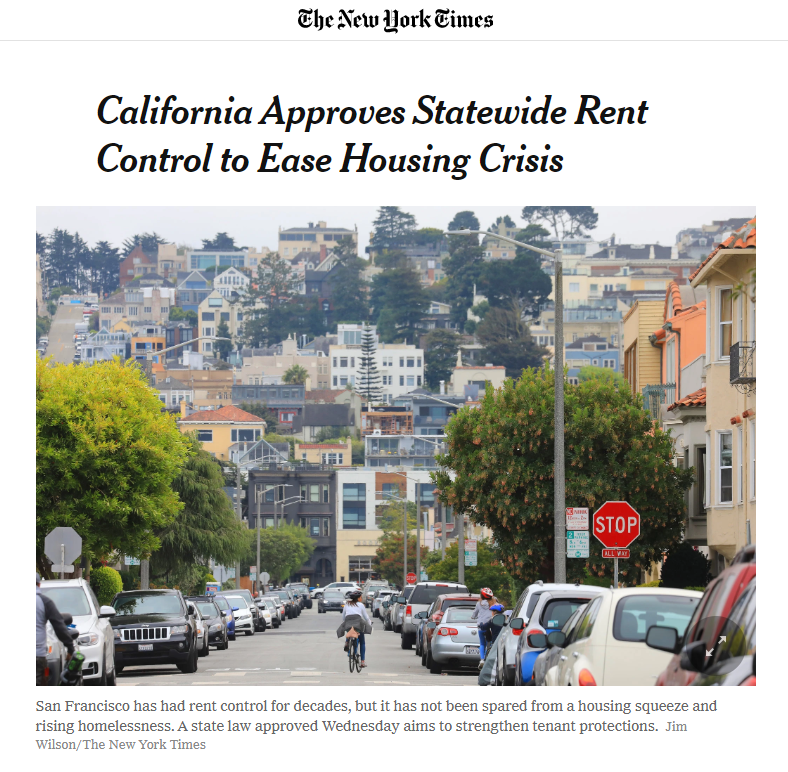
How NOT to Make Housing More Affordable
This New York Times piece outlines why rent control often works against long term housing affordability. Economists across the political spectrum argue that price caps ignore the core market signal of rising rents, which is to build more housing. Studies in San Francisco and other cities show that strict rent control can prompt landlords to convert rental units into owner occupied homes, reducing supply and ultimately driving prices higher. The article highlights how well intentioned policies can unintentionally shrink the rental market and limit options for working families.
HousingThink Podcast – Episode 11
This episode explores the housing challenges faced by HVAC technicians, a critical part of the skilled trades workforce. It highlights how rising rents, limited availability, and location constraints make it difficult for technicians to find homes near their jobs. The conversation also touches on energy efficient housing and the importance of net zero ready buildings, showing how better design and performance standards can support both residents and long term affordability.

The Child Care Crisis Is Keeping Women Out of the Workforce
Access to reliable child care is directly tied to parental employment and overall economic growth. When child care breaks down, parents are forced to miss work, reduce hours, or leave their jobs entirely. For millions of families, this instability leads to lower earnings and fewer opportunities for advancement. The article underscores how child care availability is not just a family issue but a workforce and economic imperative, shaping women’s ability to participate fully in the labor market.
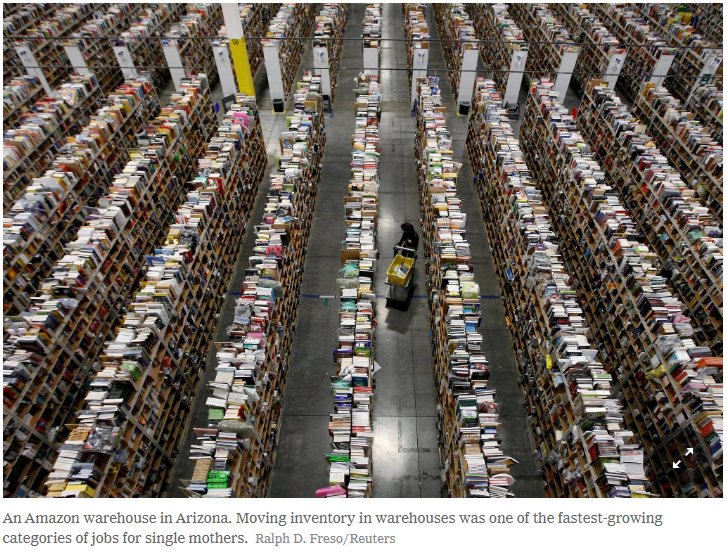
Single Mothers Are Surging Into the Work Force
Single mothers often face steep barriers to stable employment, from unpredictable work schedules to the high cost of childcare. Yet since 2015, labor force participation among young single mothers has risen by about four percentage points, driven largely by women without college degrees. The New York Times analysis highlights how strong job markets, supportive policies, and expanded work opportunities have helped more single mothers enter and remain in the workforce, even amid persistent challenges.
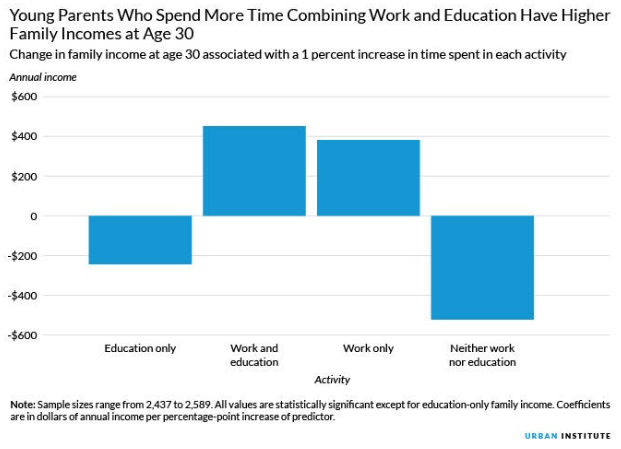
The Young-Parent Balancing Act
Young parents who balance work and education often see meaningful long term financial gains. Urban Institute research shows that even a one percent increase in time spent combining work and schooling is associated with a four hundred fifty one dollar increase in annual family income by age thirty. The article highlights how supportive policies, flexible schedules, and accessible childcare can help young parents maintain this balance, strengthening both career mobility and family stability.

The State of American Trade Schools
This piece explores the challenges facing American trade schools and the broader workforce training ecosystem. Drawing from Mike Rowe’s observation that “we are lending money we don’t have to kids who can’t pay it back to train them for jobs that no longer exist,” the article highlights the mismatch between traditional education pathways and the real needs of the labor market. It underscores the value of short term, skills based programs that prepare students for in demand trades, offering practical alternatives to costly degree routes and strengthening workforce readiness.
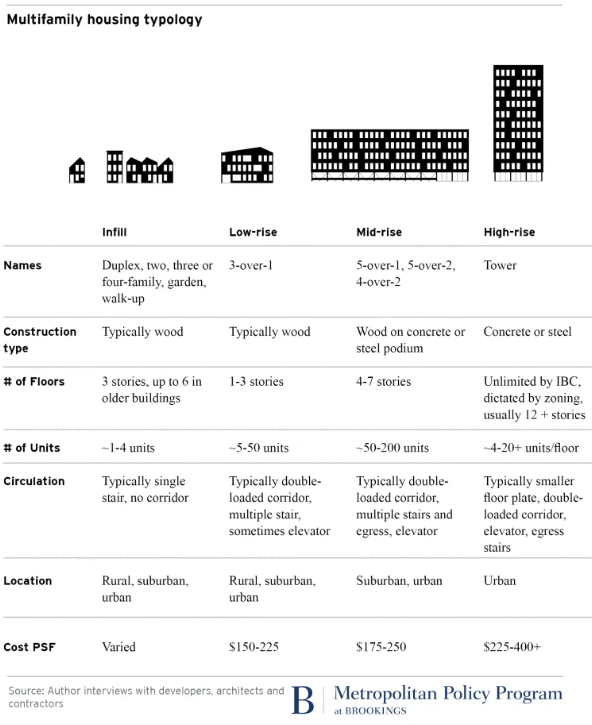
Making apartments more affordable starts with understanding the costs of building them
This Brookings article opens a series on how improved design and construction decisions can lower the cost of building multifamily housing. It explains the major cost drivers across different building typologies and outlines where developers, architects, and contractors can make meaningful affordability gains without relying solely on policy or finance changes. The piece also highlights areas where design and construction intersect with broader regulatory and financial environments, pointing to opportunities for systemic improvements that support lower cost housing.
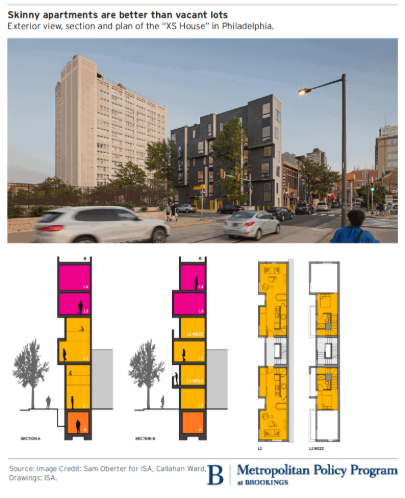
Flexible zoning and streamlined procedures can make housing more affordable
This Brookings article explores how flexible zoning and streamlined development procedures can reduce both land costs and soft costs in multifamily housing. As the second piece in a series on design and construction innovations, it highlights how regulatory efficiency, faster approvals, and more adaptable land use rules can make housing more affordable to build. By removing unnecessary barriers and modernizing local processes, cities can support developers in delivering lower cost apartments for workforce and affordable housing markets.