

Rock Legends Support Energy Workforce Training
This post highlights a unique partnership supporting students preparing for careers in energy and skilled trades. Through the Metallica Scholars Initiative, the band’s All Within My Hands Foundation and Wolverine contributed one hundred thousand dollars in scholarships to Lone Star College students pursuing applied learning and traditional trade programs. Wolverine also provided boots and gear, offering direct support to one hundred twenty students. The effort underscores how unconventional partners can strengthen workforce pipelines and expand access to high demand career training.

Market Urbanism: A Free Market Approach to Land Use & Planning
Market Urbanism argues that market forces and strong property rights create vibrant, efficient, and economically resilient communities. Instead of top down land use and transportation planning, Market Urbanism emphasizes spontaneous order, where individuals and businesses shape cities through decentralized decision making. The philosophy blends classical liberal economics with an appreciation for urban living, advocating for bottom up solutions that reflect real demand rather than imposed regulation. The movement’s core message is clear: when land use patterns emerge organically, cities become more just, adaptable, and aligned with the needs of the people who live and work in them.
HousingThink – Episode 18
This episode concludes the five part series “Why Buildings Matter,” presented by Chris Mathis of Mathis Consulting Company. In this final installment, Chris focuses on behavior modification and performance commissioning, explaining how occupant habits, operational decisions, and ongoing evaluation shape the long term performance of a building. His insights highlight why thoughtful commissioning and continuous feedback loops are essential for achieving efficiency, comfort, and durability in workforce housing.
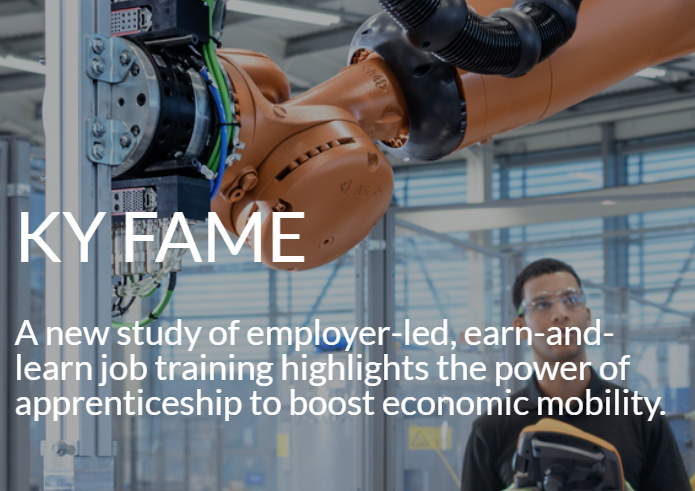
The Federation for Advanced Manufacturing Education (FAME)
The Federation for Advanced Manufacturing Education is a leading earn and learn apprenticeship model that blends classroom instruction with paid, hands on industry experience. A recent report from Opportunity America and the Brookings Institution highlights the program’s strong outcomes, drawing on focus groups, survey data, and Kentucky’s statewide results. FAME graduates in Kentucky earn between sixty percent and one hundred percent more than other career and technical education graduates from the same community colleges. The takeaway for policymakers is clear: structured earn and learn training works, and scaling this model can strengthen workforce pipelines across the country.

Putting a Face on the Workforce Housing Problem in the United States
The shortage of workforce housing affects millions of Americans every day, including essential workers who keep their communities safe and functioning. The referenced story highlights Jeff Emerick, a firefighter born and raised in Blaine County, who returned home to serve at the Ketchum Fire Department. Despite the requirement to live nearby for emergency response, he could not afford the high cost of rent in Ketchum or surrounding cities. His experience reflects a broader national problem: workers who are vital to a community often cannot afford to live in the very places they serve.

Davidson’s Landing Apartment Homes
Davidson’s Landing Apartment Homes introduces a new generation of Zero Energy Ready workforce housing built with structural insulated panels. Located in Kansas City, Kansas, the community includes two and three bedroom units serving households from thirty percent to eighty percent of Area Median Income. Sponsored by Tartan Residential, Hughes Development Corporation, and BCCM Construction Management, the one hundred fifteen unit tax exempt bond development is scheduled to begin construction in the first quarter of twenty twenty one. The project reflects a forward looking approach to energy efficiency, long term durability, and attainable housing design.
Peter Bailey: The Unsung Hero of “It’s a Wonderful Life”
This post highlights Peter Bailey as the quiet force behind “It’s a Wonderful Life,” a character who understands the dignity of providing families with a decent home. Jeff pulls two powerful quotes from the film that capture Bailey’s belief in purpose, community, and the fundamental human need for a roof, walls, and a safe place to live. The reflections connect directly to the mission of workforce housing, reminding readers that the people who work, pay, live, and raise families in a community deserve housing that respects their contribution. The message is simple and timeless: be like Peter Bailey.
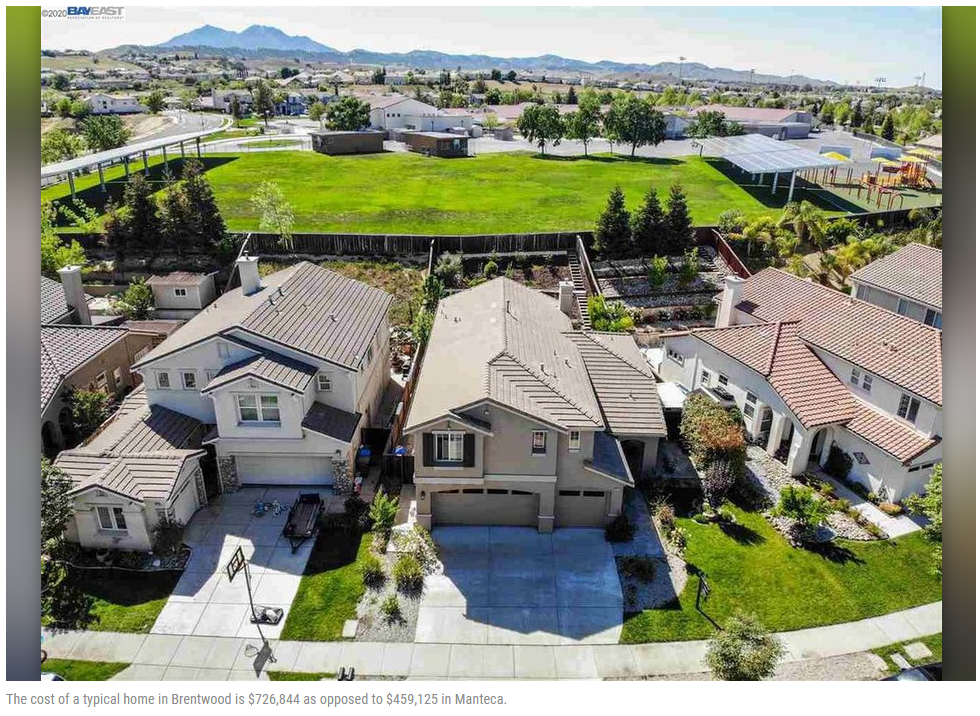
Not In My City
This post calls out a familiar dynamic in affluent cities: relying on neighboring communities to supply affordable housing while resisting it within their own borders. The mantra becomes “you can work here, but do not plan on living here.” The referenced article highlights how Manteca is effectively serving as Brentwood’s affordable housing plan, with local discussions focused more on solving Bay Area housing pressures than addressing Manteca’s own needs. Jeff underscores how this pattern reinforces regional inequities and why honest, locally grounded planning matters.
HousingThink – Episode 19
In this first part of the conversation with Dr. Philip Agee, Assistant Professor of Building Construction at Virginia Tech, the discussion introduces the fundamentals of off site versus on site construction and how each approach influences design and project delivery. Jeff Carroll and Doug Koch explore the importance of research, structured data collection, and performance analysis, setting the stage for a deeper look at how evidence based insights can strengthen workforce housing development. This episode lays the groundwork for understanding why construction methodology matters and how it shapes long term outcomes.
HousingThink – Episode 20
In this second part of the conversation with Dr. Philip Agee, Assistant Professor of Building Construction at Virginia Tech, the discussion focuses on the differences between off site and on site construction and how each approach influences design, research, and long term performance. Jeff Carroll and Doug Koch explore the value of structured data collection and analysis, highlighting how evidence based insights can strengthen workforce housing development and support more efficient building systems.
HousingThink – Episode 21
This episode launches a series focused on the challenges developers face when proposing affordable and workforce housing. Jeff Carroll and Phil Erhardt walk through the objections most commonly raised by municipalities and neighborhoods, from early misconceptions to deeply rooted community concerns. Jeff also outlines the methodology he has refined over the past twenty years to respond to these objections effectively, offering a practical framework for navigating public meetings, rezoning efforts, and development reviews.
HousingThink – Episode 22
Traffic concerns are almost always the first objection raised when an affordable or workforce housing development is proposed. In this episode of HousingThink, Jeff Carroll and Philipp Erhardt unpack why this reaction is so common and share strategies for addressing it with clear information, realistic trip generation data, and context about how workforce housing actually affects local traffic patterns. Their discussion helps developers navigate early community pushback and redirect the conversation toward facts rather than assumptions.
HousingThink – Episode 23
School overcrowding is one of the most frequently cited objections to affordable and workforce housing proposals. In this episode of HousingThink, Jeff Carroll and Philipp Erhardt continue their Impact Analysis series by breaking down why this concern often surfaces and how to respond to it with clear, data grounded explanations. Their discussion highlights practical ways to address misconceptions, demonstrate actual enrollment impacts, and guide communities toward a more accurate understanding of how workforce housing interacts with local school systems.
NIMBY Wordplay
This post highlights a classic NIMBY tactic: manipulating language to make an affordable housing proposal sound larger, riskier, or more threatening than it actually is. Opponents reframed a forty eight unit affordable housing community as a “three hundred person apartment complex,” swapping neutral, accurate terms for ones designed to provoke fear. Jeff breaks down three examples of this wordplay and calls out how misleading rhetoric distracts from the real merits of a project. The referenced article shows how these tactics surface in public debates and why honest framing matters.
HousingThink – Episode 24
Semantics often shape the way communities respond to affordable and workforce housing proposals. In this episode of HousingThink, Jeff and Phil discuss a recent rezoning decision in a South Carolina community and how language influenced public perception and opposition. Jeff also explains his approach to addressing green space and open space objections, offering practical strategies for reframing concerns and guiding conversations toward accurate, constructive information.
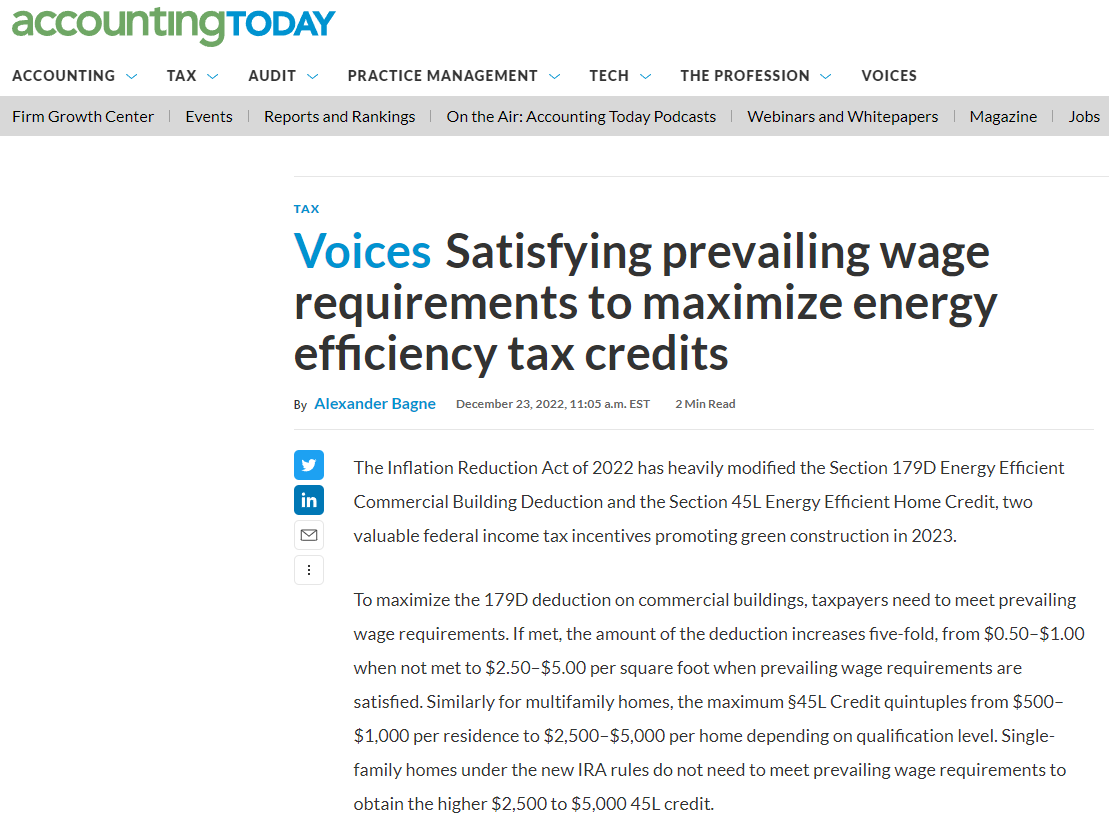
Enhanced Energy-Efficient Tax Benefits in Recent Federal Legislation
Recent federal legislation significantly expanded energy efficient tax benefits for both commercial and multifamily developers. Meeting prevailing wage requirements now unlocks much higher incentives. The 179D deduction increases five fold when those requirements are satisfied, rising from fifty cents to one dollar per square foot to as much as two dollars fifty to five dollars per square foot. Multifamily homes see similar gains under the 45L Credit, which increases from five hundred to one thousand dollars per residence to as much as two thousand five hundred to five thousand dollars depending on qualification level. Single family homes can access the higher 45L credit without meeting prevailing wage requirements. These enhanced incentives strengthen the financial case for energy efficient construction across multiple housing types.
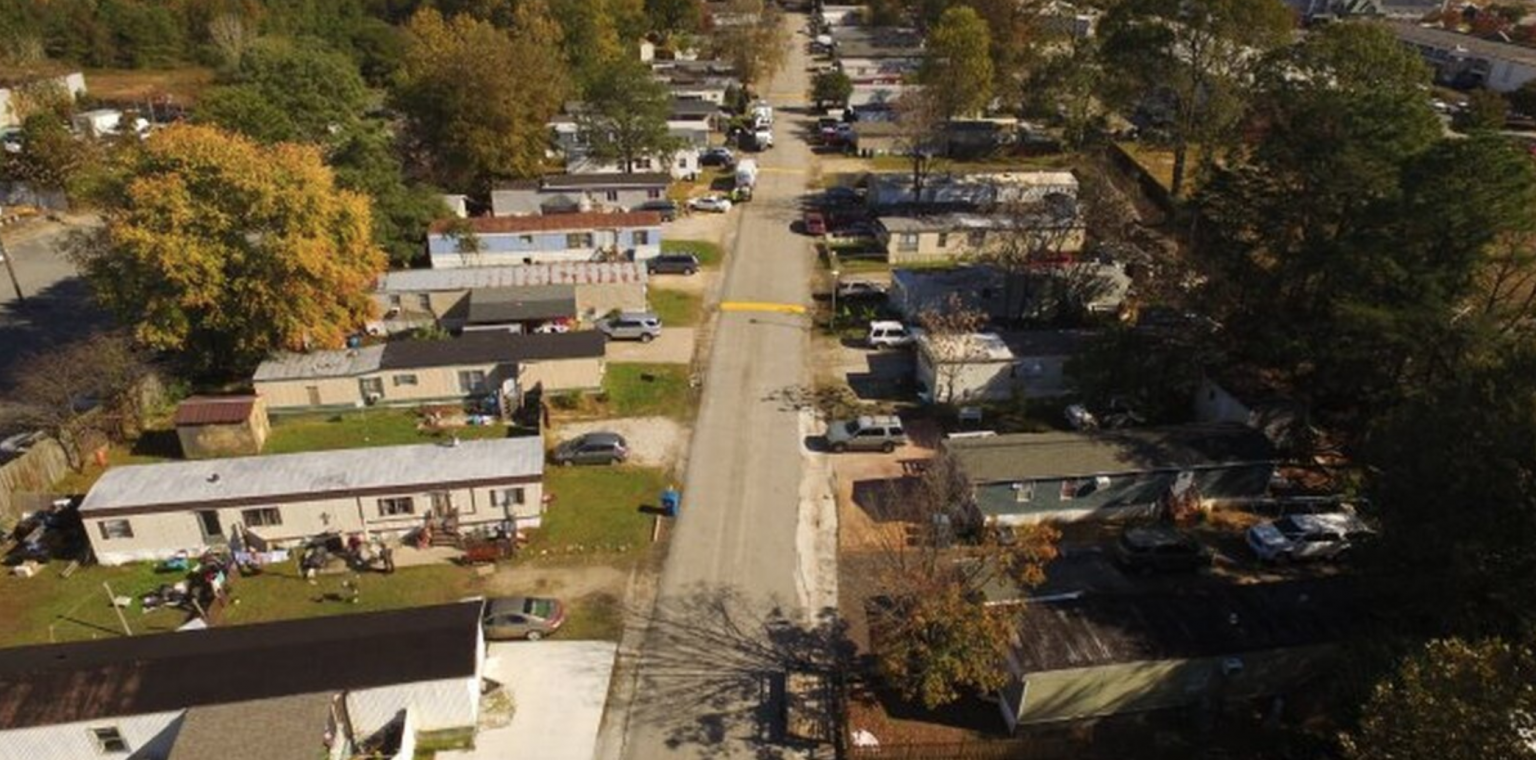
The Role of Manufactured Housing in Addressing the Affordable Housing Crisis
Manufactured housing has long faced some of the toughest zoning and public perception barriers in the housing industry. As Jeff notes, securing approvals for a new manufactured home community can be even more challenging than advancing workforce housing. Yet manufactured homes continue to play an important role in addressing affordability, especially in states like Virginia where policymakers and advocates are debating how these communities fit into long term housing strategies. The referenced piece highlights the tension between outdated stereotypes and the growing recognition that modern manufactured units can provide stable, attainable housing for families who are priced out of traditional options.
HousingThink – Episode 25
In this episode of HousingThink, Jeff Carroll and Phil Erhardt address a common objection raised during affordable and workforce housing development reviews: concerns that a proposed multifamily community will strain public utilities. Their discussion covers stormwater, sanitary sewer, and domestic water systems, and Jeff outlines practical, data driven solutions that help developers respond confidently to these objections. The episode offers clear guidance for navigating technical questions and strengthening community presentations.
HousingThink – Episode 26
In this episode of HousingThink, Jeff and Phil break down one of the most common challenges in affordable and workforce housing development proposals: addressing crime related objections. Their discussion focuses on practical strategies for responding to community concerns, presenting accurate data, and demonstrating how well designed workforce housing can strengthen neighborhood stability. The conversation offers clear guidance for developers navigating public meetings, stakeholder questions, and early stage project approvals.
Davidson’s Landing Apartment Homes
Davidson’s Landing Apartment Homes represents a major milestone for Tartan Residential. The twenty five point eight million dollar workforce housing development closed on July twenty two, twenty twenty one after five years of work, multiple market disruptions, the loss of a key investor, and a nine hundred thousand dollar lumber price spike. Despite these challenges, the team pushed through and delivered the first project in a new class of workforce housing investments. The closing reflects persistence, coordination, and commitment from everyone involved, highlighted by the investment banker’s praise for the team’s tenacity. Davidson’s Landing stands as a testament to long term focus and disciplined execution.