
Johnston Farms Apartment Homes: Unanimous Bond Inducement Approval
Johnston Farms Apartment Homes received unanimous City Council approval for eighteen million dollars in tax exempt bonds, advancing a one hundred twenty unit workforce housing development in Rock Hill, South Carolina. The community is designed to offer rents priced below market along with job placement services and workforce training incentives for residents. This approval reflects strong support for a development model that blends affordability with meaningful economic mobility tools. It also marks an important milestone for the team that worked to bring the project forward.
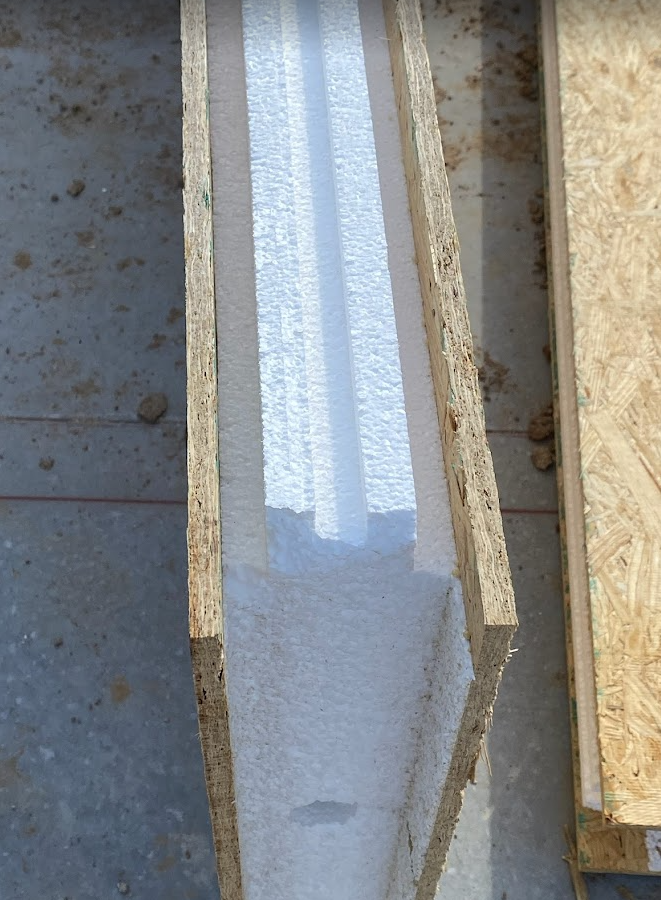
Breakthrough: Using Structural Insulated Panels in Workforce Housing
This project marked a major breakthrough for our workforce housing design team. Eight years ago we began testing structural insulated wall panels in a simple one story duplex to compare costs and performance against traditional stick built framing. By investing about four thousand dollars more per unit in panels, we attracted eleven thousand dollars per unit in new capital from investors seeking energy efficient workforce housing. That early success led us to design a more complex three story walk up garden apartment building, which attracted nineteen thousand dollars per unit for the first project, Davidson’s Landing in Kansas City. Today we set our first panels at Davidson’s Landing, a milestone made possible by years of coordination, planning, and hands on innovation. The team continues to push forward, proving that energy efficient construction can unlock meaningful capital and better housing outcomes.
Buchanan’s Crossing Phase 3
Buchanan’s Crossing Phase 3 builds on nearly a decade of research and real world performance testing. Phase 1 used traditional wood framed exterior walls with R13 batt insulation, while Phase 2 used R26 structural insulated panels. The side by side comparison revealed clear construction, operating, and financial advantages associated with panelized building systems. Those lessons informed the design of Davidson’s Landing, a one hundred fifteen unit workforce housing development now under construction and performing ahead of schedule and below budget. Phase 3 continues this progression with R18 graphite infused polystyrene exterior wall panels, high efficiency water heaters, and upgraded HVAC systems. One duplex will be built with panels on one side and lumber with fiberglass on the other, allowing the design team and research partners to collect one year of data from simulated living environments. This unique comparison will highlight additional benefits of energy efficient construction systems.
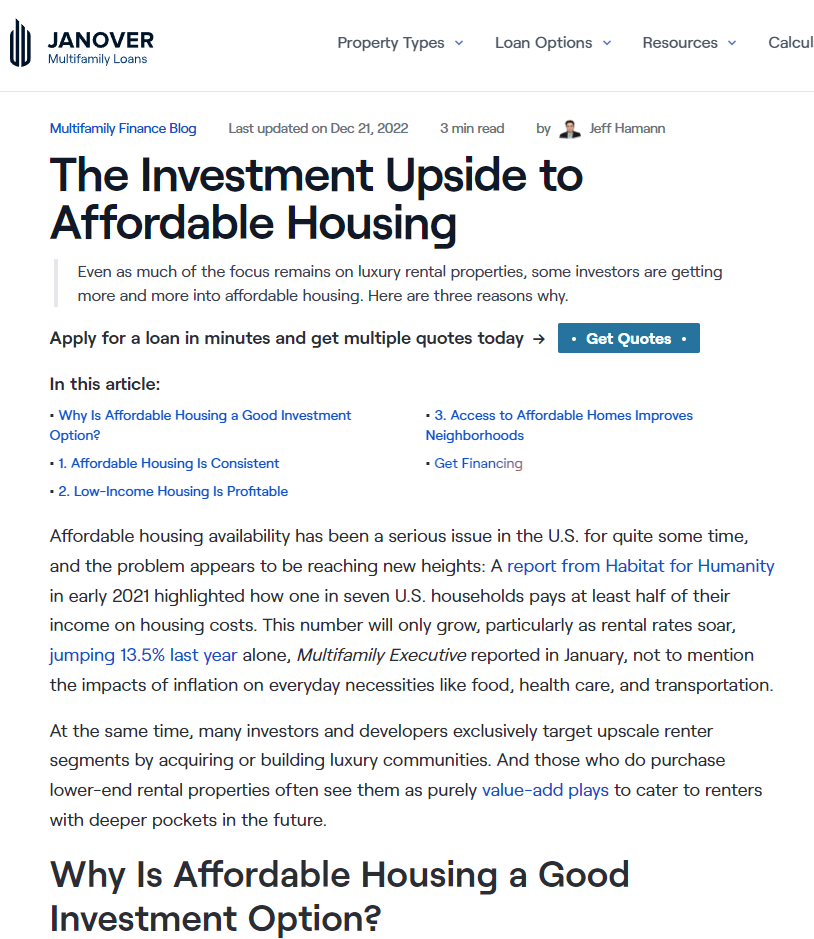
Durability of Affordable & Workforce Housing Investments
Affordable and workforce housing continue to demonstrate durability during economic downturns. While higher rent, higher end communities often experience rising vacancies when households tighten their budgets, affordable housing demand remains steady and often increases. The piece notes that affordable housing has proven to be a strong hedge against recession because families rely on these communities regardless of market cycles. This stability makes the sector one of the most resilient investment categories in real estate.
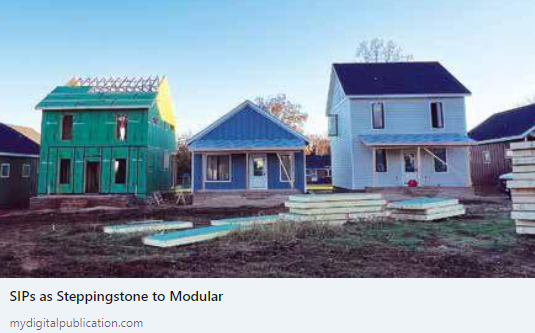
SIPs vs Modular: Transportation Costs and R-Values
Transportation costs for modular construction can be dramatically higher than for structural insulated panels, sometimes reaching thirty times the cost. SIPs also deliver a significantly stronger thermal envelope, offering an R28 exterior wall compared to modular’s R13. When you combine reduced transportation expenses with monetized long term energy savings, SIPs become a compelling choice in many situations. The referenced piece highlights why these performance and cost differences matter when evaluating construction systems for affordable and workforce housing.
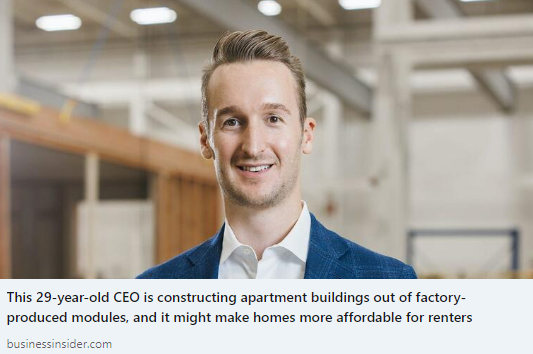
Modular Construction in Affordable & Workforce Housing
Modular construction continues to gain traction in affordable and workforce housing because it delivers speed, efficiency, and cost control. Building homes off site protects the construction process from weather delays and allows crews to work in a streamlined, assembly line environment. This approach reduces waste, lowers material costs through economies of scale, and shortens the time it takes to deliver homes in markets facing extreme conditions. As the piece notes, modular offers a practical path toward faster, more predictable housing production.
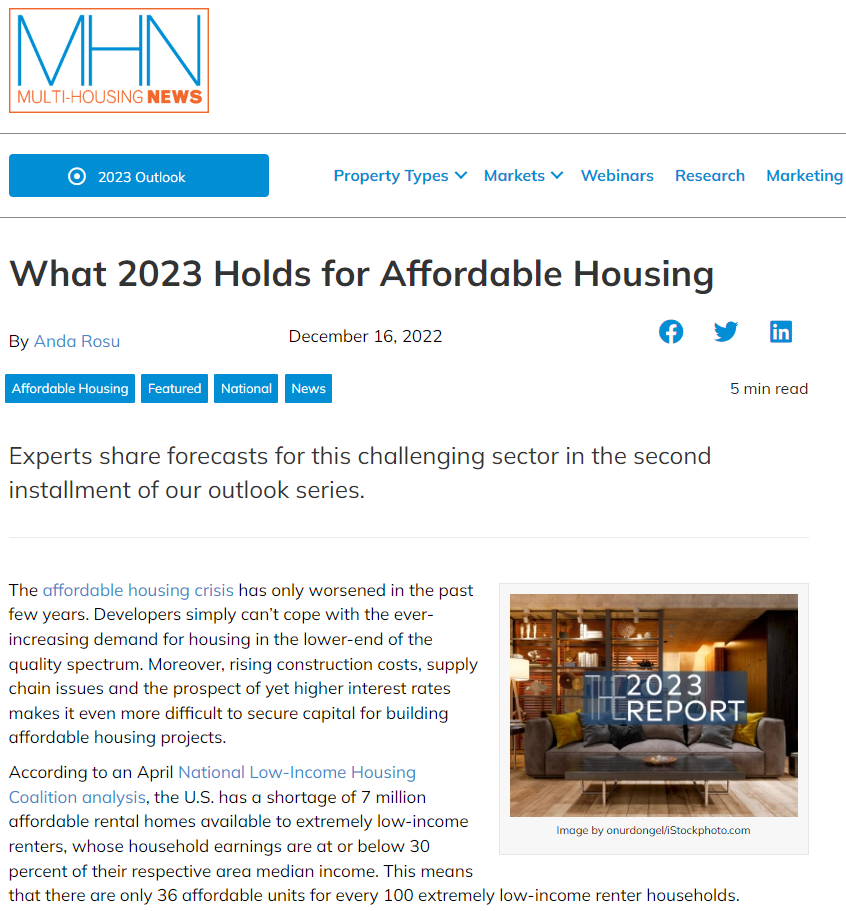
Strength of Affordable & Workforce Housing Investments
Affordable and workforce housing continue to demonstrate strength even as broader real estate markets slow. Investors are recognizing that these communities offer stability, predictable demand, and resilience during economic uncertainty. As the piece notes, gains in the overall market have softened, yet affordable housing remains strong because it serves households with consistent needs and limited alternatives. This reliability makes the sector a durable and steady investment choice.
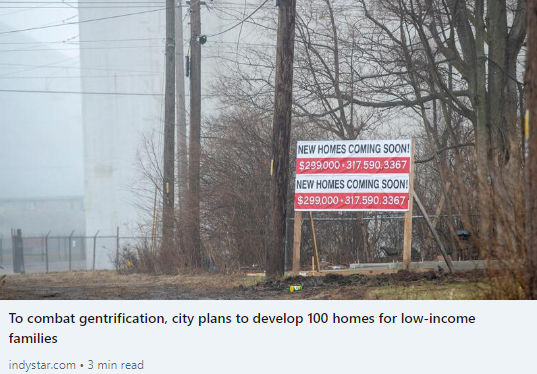
Gentrification vs Redevelopment
The debate over gentrification versus redevelopment often misses a fundamental point. When private investment enters a blighted neighborhood, it is criticized as gentrification. When public investment enters, it is praised as redevelopment. Yet both forms of investment improve unsafe, deteriorated housing conditions. The real issue is not whether investment is public or private, but whether communities are producing enough affordable housing so families are not forced to live in slums. Displacement concerns are real, but blaming private investors for replacing unsafe structures overlooks the larger question of how to expand affordable housing supply.
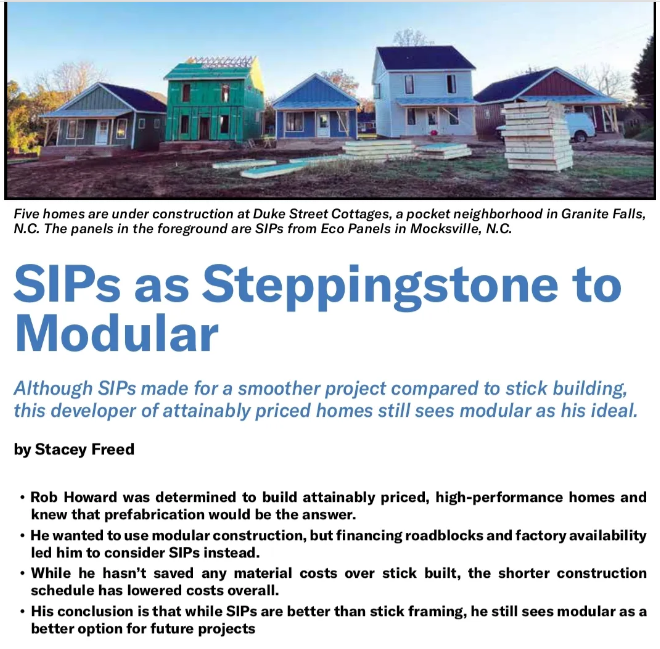
SIPs as Steppingstone to Modular
Structural insulated panels and modular construction each have a place in the market, and the two systems are becoming increasingly interconnected. As modular manufacturing evolves, it is only a matter of time before factories begin using higher performing R28 SIPs instead of traditional R13 exterior wall assemblies. This shift would improve energy efficiency, reduce operating costs, and strengthen the long term performance of modular housing. The piece referenced underscores how both technologies are progressing and how SIPs can serve as a natural steppingstone toward more advanced modular production.
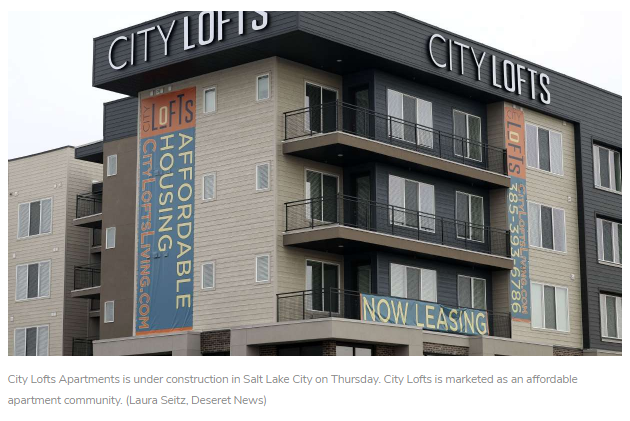
The Perfect Storm
The past year created a perfect storm for affordable multifamily developers. Construction costs rose, operating costs rose, and interest rates climbed sharply. Market rate properties were partially insulated because rents increased significantly in 2022, salvaging many deals. Affordable multifamily did not have that advantage. Rents tied to household income increased only modestly, leaving many restricted rent projects unable to pencil out. As the piece notes, the headwinds facing all homebuilders are even more severe for affordable housing developers, who must absorb rising costs without the benefit of rising rents.
Johnston Farms Update: Civil Engineering
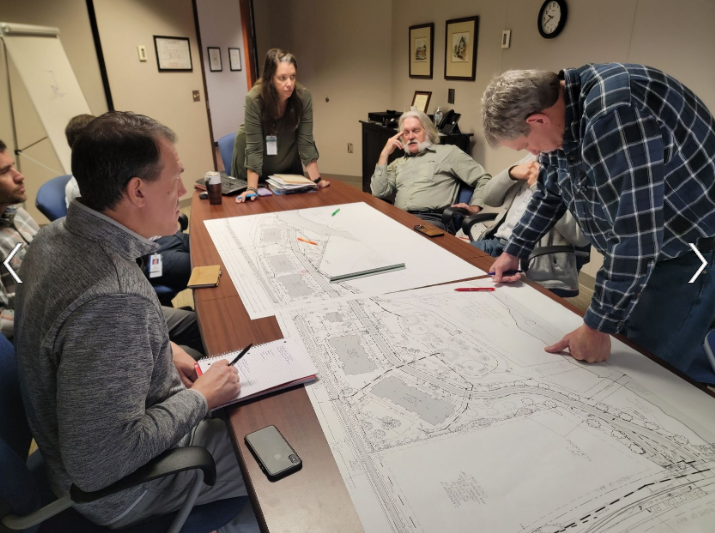
A productive meeting with the City of Rock Hill moved the Johnston Farms Apartment Homes project forward. We reviewed stormwater, sanitary sewer, domestic water, electric, and landscape requirements for the proposed one hundred twenty unit workforce housing development. The city’s engineering team was accommodating and identified several design adjustments that will save hundreds of thousands of dollars and expedite approvals. Their collaboration is helping streamline the path toward construction.

Let the Marketplace Work
The phrase “affordable housing lottery” reveals a core contradiction. Affordable implies plentiful and accessible, while lottery implies scarcity. Housing should function more like the flat screen TV market, where competition drove prices down and variety up. Instead, heavy regulation and production limits create artificial scarcity. The piece highlights a Brooklyn development offering a small number of income restricted units through a lottery system, reinforcing why deregulating housing production and allowing developers to meet demand is essential. When the marketplace works, affordability follows.
Churches Putting Their Faith In Action
Churches across the country are beginning to use their land and buildings to create affordable and workforce housing, transforming underutilized property into meaningful community impact. These faith based organizations often have mission driven motivations and a desire to serve their neighbors, making them uniquely positioned to help address local housing shortages. Their willingness to step forward shows what it looks like when values become action.
The Durability of Workforce Housing Investments
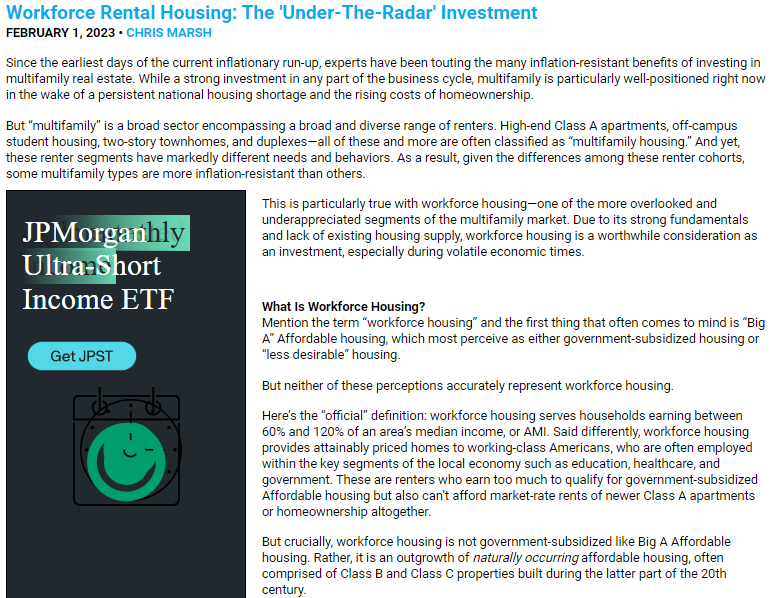
Workforce housing continues to demonstrate long term durability as an investment class. Certain multifamily types are more resistant to inflation than others, and workforce housing stands out due to strong fundamentals and limited existing supply. Even in volatile economic periods, demand remains steady because these homes serve renters who lease out of necessity. As the piece notes, this segment of the market is often overlooked and underappreciated, yet it consistently offers stability and resilience for investors.

Workforce Training Incentives
Affordability and mobility are deeply connected to education, yet traditional scholarships only incentivize students to begin their studies. Our workforce housing program takes a different approach by offering downpayment assistance to residents who complete their two or four year degrees. Completion matters. National data shows that fewer than two thirds of students finish college within six years, and nearly forty percent of borrowers from 2012 to 2017 did not complete their programs. Those who do not finish default on their loans at three times the rate of graduates. Incentivizing completion rather than enrollment helps residents build stability, reduce financial risk, and move into homeownership.
Linking Housing Development with Economic Development
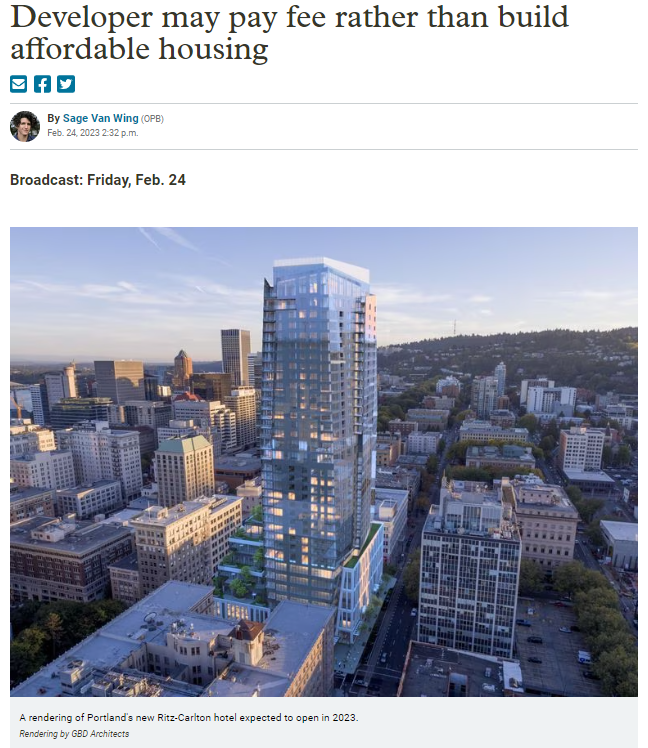
Cities often treat workforce housing as an isolated policy issue rather than linking it directly to economic development. Yet the old adage applies: you always get less of what you tax. Affordable housing taxes on developers discourage production, while a more effective approach is to connect housing creation to job creation. When a major employer comes to town, cities routinely issue bonds to extend water, sewer, gas, and electricity to support the new facility. They could just as easily evaluate the employer’s housing needs and issue bonds for workforce housing at the same time. Pairing this with fast tracked zoning approvals would create a far more strategic and proactive system. The piece notes that in Portland, developers are choosing to pay penalties rather than include affordable units, underscoring why cities should use the tools they already have instead of catering to short sighted NIMBY pressure.
A New Approach to Workforce Housing Development
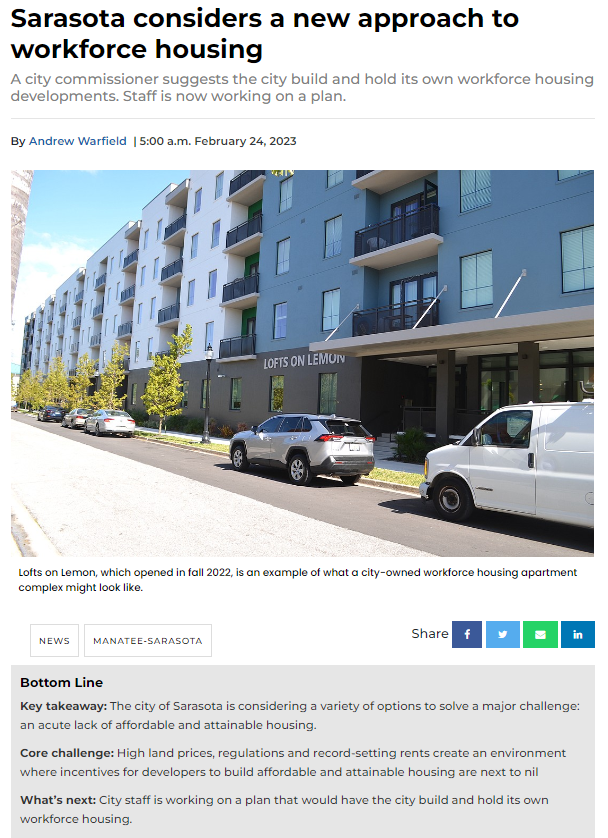
Cities already possess powerful tools for accelerating workforce housing development, including fast track approvals and the ability to issue bonds. What they often lack is the technical expertise to design, structure, and manage these projects. Private companies like mine can partner with municipalities to fill that gap, creating developments that cities can build, hold, and operate successfully. A recent piece notes that city staff are exploring a plan for the city itself to build and retain its own workforce housing, a model that becomes far more viable when paired with experienced private sector support.
Workforce Housing: Excellent Inflation Hedge
Workforce housing has proven to be one of the most inflation resistant segments of the multifamily market. Strong fundamentals, persistent demand, and limited existing supply make these properties remarkably stable, even during volatile economic periods. As noted in the piece, certain multifamily types outperform others when inflation rises, and workforce housing stands out as a worthwhile consideration for investors seeking long term resilience.
Faith in Action: Churches Developing Affordable Housing
Churches across the country are beginning to use their land and buildings to create affordable and workforce housing, turning underutilized property into community impact. These faith based organizations often have mission driven motivations, long term ownership horizons, and a desire to serve their neighbors, making them uniquely positioned to help address local housing shortages. Their willingness to step forward demonstrates what it looks like when values translate into action.
Endless Studies: NIMBY Tactic to Discourage Development
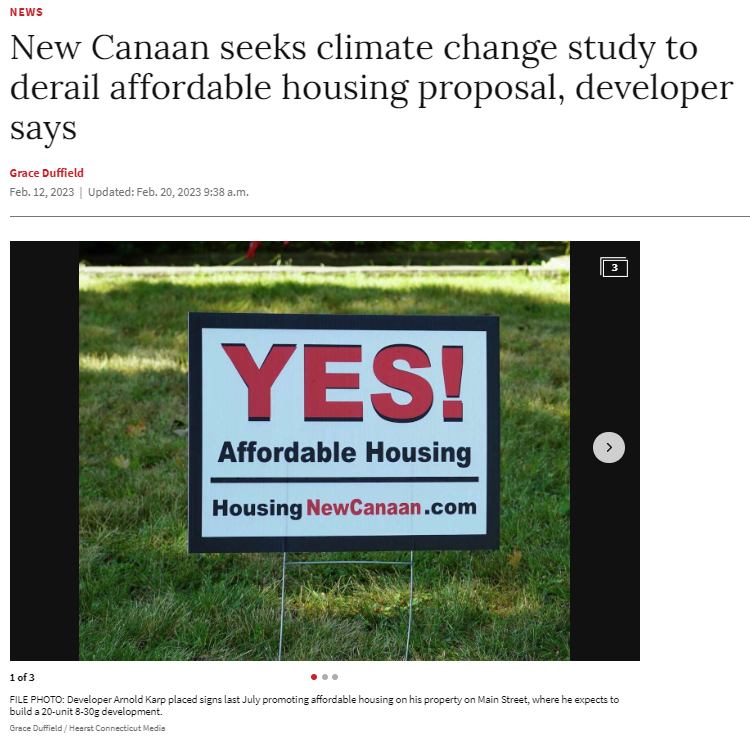
Affluent communities often use endless studies, committees, and procedural delays as tactics to discourage affordable housing development. These efforts create the appearance of progress while quietly blocking new proposals. In some cases, cities even rezone swampy or low lying land for affordable housing, knowing it will never be buildable. A recent piece highlights this dynamic in New Canaan, where an attorney argued that the local water pollution control authority was attempting to prevent additional affordable housing and that the delays had nothing to do with global warming.