
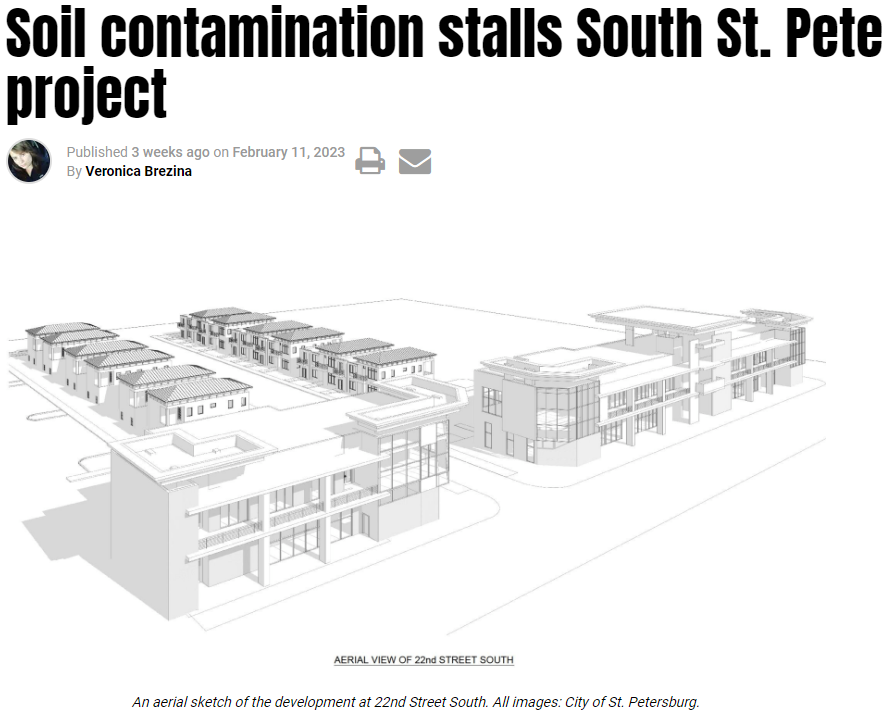
The Hidden Cost of Building on a Marginal Development Site
Affordable housing is often pushed to marginal development sites, many of which come with environmental challenges that increase both cost and time. Developers and future residents ultimately bear the burden of remediation, creating a disincentive for much needed housing production. A recent piece highlights this reality, noting that soil contamination was discovered on a proposed site in South St. Petersburg and that the city is now working with the Department of Environmental Protection on removal. The land previously housed a dry cleaning business and a metalworks operation, illustrating how frequently affordable housing sites come with hidden environmental costs.
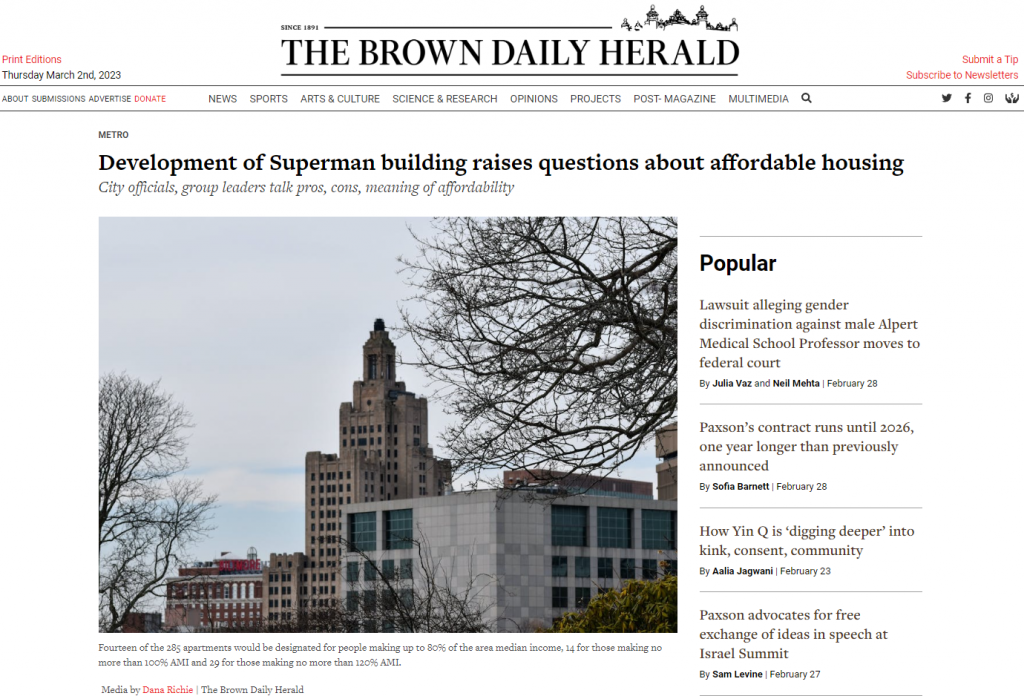
Affordability: Pricing versus Income Targeting
Affordability depends on more than pricing. It also depends on income targeting. Rents set for households earning eighty percent of area median income can be affordable, while rents set for households earning fifty percent of area median income can be unaffordable. The piece referenced is actually calling for changes in income targeting rather than changes in affordability. As noted, only a small number of units are designated at the eighty percent AMI level, which is the upper limit of what can reasonably be called affordable housing.
The Real Cost of Delays
Development delays are rarely small problems. A recent conversation with our civil engineer illustrates how a seemingly minor requirement can create massive financial consequences. For a thirty five million dollar workforce housing project financed with tax exempt bonds, a six square foot easement costing two thousand dollars would delay construction by six months. Because the bond proceeds earn six percent interest while sitting in a Trustee account, that delay would cost more than one million fifty thousand dollars. It is a powerful reminder that time is money, and that regulatory and permitting processes often add unnecessary burdens that cities should reevaluate.
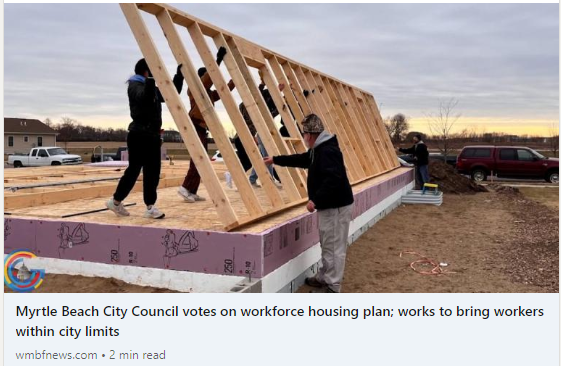
Cities: The Largest Employers of America’s Workforce
Cities are among the largest employers of people who need workforce housing, yet many municipalities lack the technical expertise to address their growing housing challenges. Even with tools like planning and zoning, economic development, community development, and housing authorities, cities often struggle to create solutions for their own employees. In some communities, as many as seventy percent of city workers are forced to commute because they cannot afford to live in the towns they serve. A recent piece notes that the Myrtle Beach City Council is beginning to take steps to expand housing options for its employees.
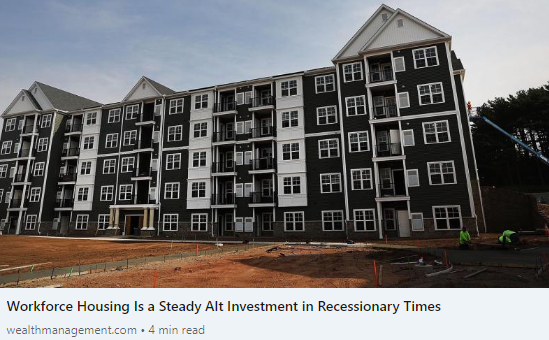
Workforce Housing: A Wise Investment Choice
Workforce housing continues to emerge as a strong and stable investment category, especially during periods of economic volatility. Multifamily housing often performs well in downturns, and within that sector, workforce housing is increasingly viewed as a wise choice for high net worth investors. Demand remains steady because these homes serve renters who lease out of necessity rather than preference, creating long term resilience.
The difference between “Affordable Housing” and “affordable housing”
There is an important distinction between Affordable Housing, workforce housing, and affordable housing. Affordable Housing refers to rental units for households earning sixty percent of area median income or less and is typically financed with scarce government resources. Workforce housing serves households earning between sixty and one hundred twenty percent of area median income and is usually financed with a mix of public and private capital. Affordable housing, in its broadest sense, simply means housing that costs thirty percent or less of a household’s income. Because of this, both Affordable Housing and workforce housing can still be unaffordable. The clearest dividing line between the two formal categories is the sixty percent AMI threshold.
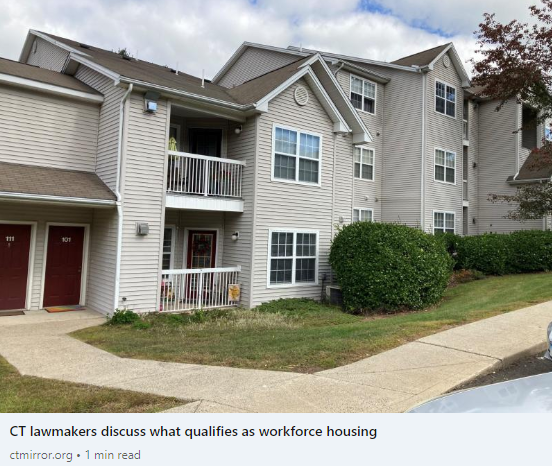
The Root of the Workforce Housing Problem
Cities often invest heavily in technical schools and employer incentives while rejecting workforce housing proposals, sending a clear message to workers: learn here, work here, but live somewhere else. A recent piece underscores this contradiction, noting that millions of dollars in workforce training will be wasted if communities do not have enough housing that workers can afford. The proposed budget includes two hundred million dollars for workforce housing, highlighting the urgency of aligning training investments with housing availability.
Rent Control Revisited
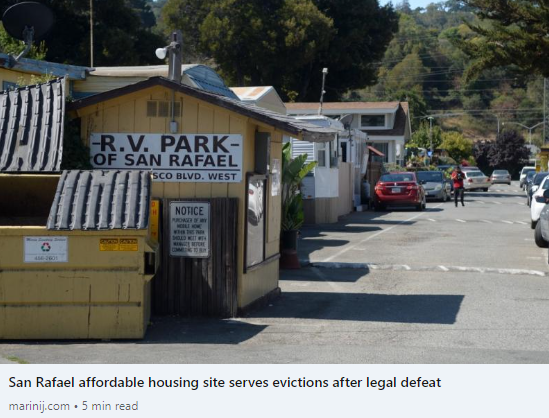
Rent control often harms the very residents it is intended to help. By restricting rental income, it can reduce a property’s ability to remain financially viable, leading to deferred maintenance, disinvestment, and in some cases displacement. A recent piece illustrates this clearly, noting that nearly all residents of an R.V. park in San Rafael received eviction notices after the property owner lost a rent dispute in federal court.
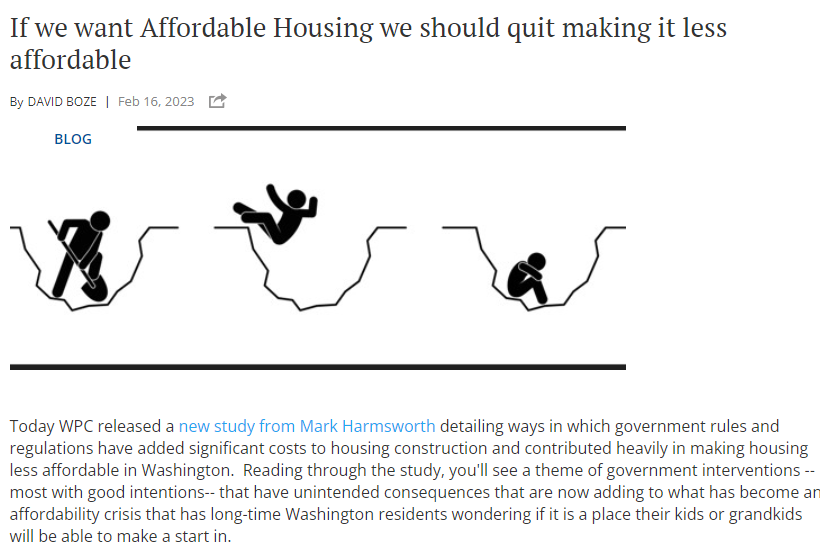
The Effect of Government Regulations on Construction Costs
A recent study from the Washington Policy Center found that as much as twenty four percent of housing price increases can be attributed to government policy. State and local laws, permitting requirements, building restrictions, and regulations add an average of one hundred forty four thousand dollars to the cost of constructing a new median priced home. It reinforces an old idea that no society has ever regulated or taxed its way into prosperity, and highlights how policy decisions directly shape housing affordability.
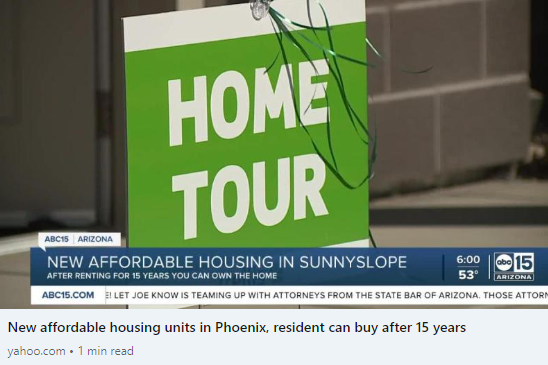
Rent to Own Program for Low-Income Seniors
Rent to own programs can be transformative for low income seniors. Several years ago our development team built a similar project in Kansas City where residents could purchase their units after fifteen years at up to a forty five percent discount. By targeting renters aged fifty five and older, we created a pathway to homeownership that also served as an estate planning tool, allowing seniors to build as much as one hundred fifty thousand dollars of equity over time. A recent piece highlights a new development in Phoenix where qualifying residents will also have the opportunity to buy their homes.
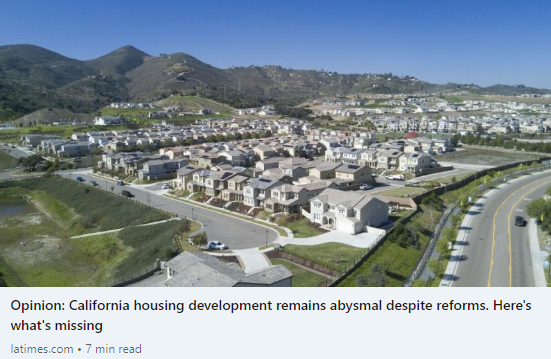
Accessory Dwelling Units
Accessory dwelling units are often promoted as a solution to the affordable housing crisis, but they come with challenges that many homeowners and small property managers are not equipped to handle. Professional management and supportive services are essential for long term stability, yet they are rarely built into ADU strategies. A recent piece notes that large scale production by experienced private firms is still necessary if communities want housing delivered efficiently and affordably.
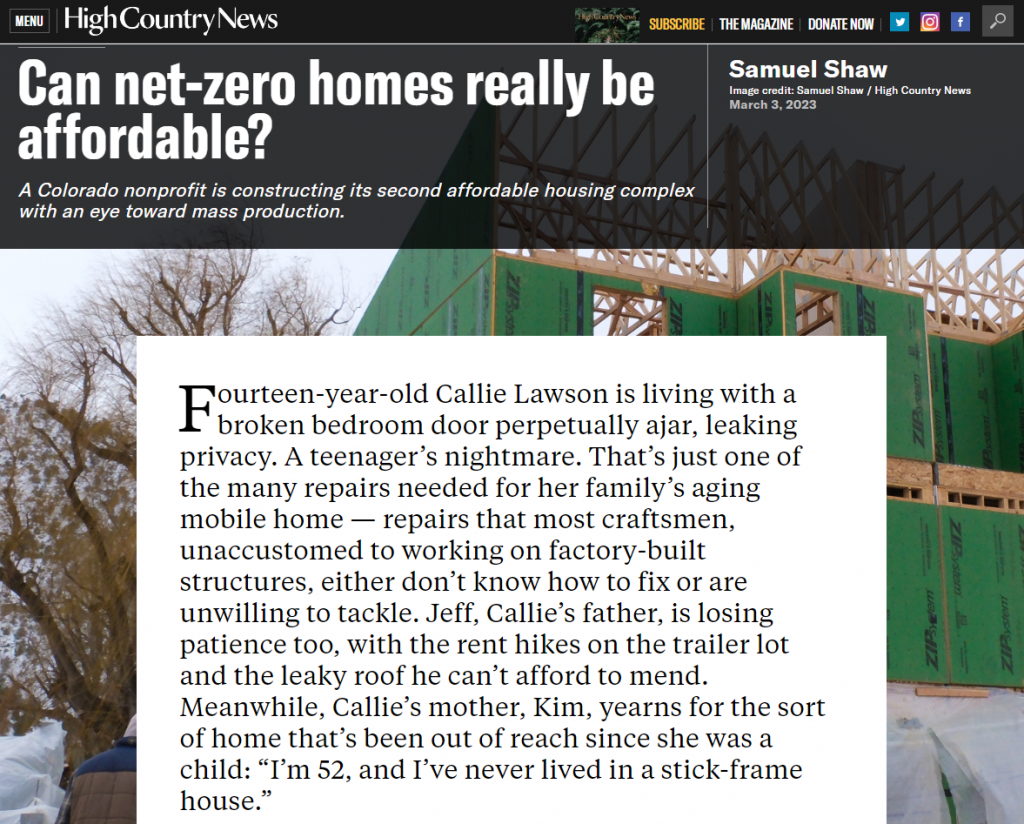
Net-Zero Affordable Housing
Net zero affordable housing sits at the core of our development strategy. In 2014 we built a two phase project to test structural insulated panels against traditional framing and discovered that spending five thousand dollars more per unit on carefully selected components could attract up to thirty thousand dollars per unit in additional capital. With construction costs around one hundred fifty thousand dollars per unit, this twenty five thousand dollar net benefit became a powerful tool for keeping projects affordable. We used it to engineer three story garden apartment buildings that target the hard to reach workforce housing market, proving that funding gaps can be closed by investing more in construction, not less. A recent piece highlights how organizations like Habitat for Humanity are demonstrating similar principles through net zero affordable developments.
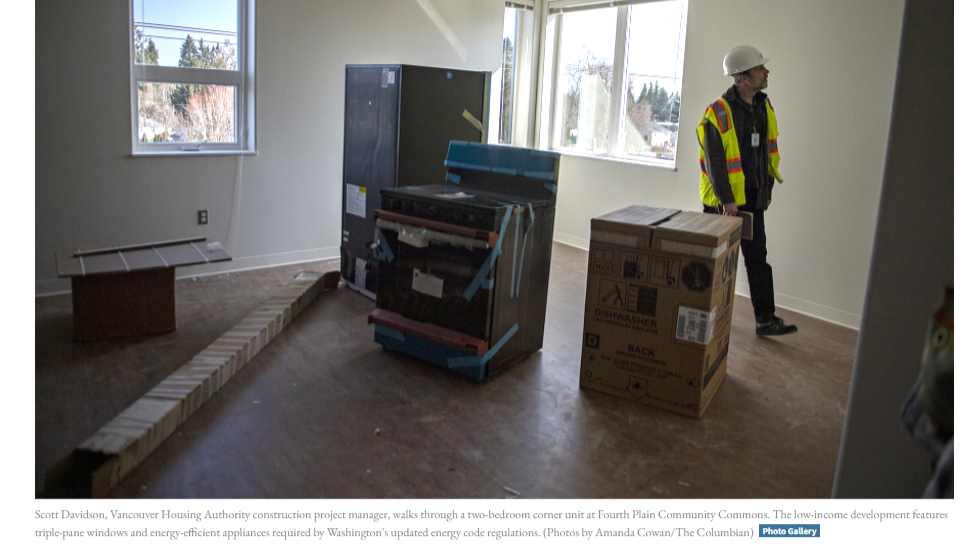
How to Keep Projects Affordable and Energy-Efficient
Many affordable and workforce housing developers rely on first cost as the primary measure of feasibility, often reducing construction expenses in ways that limit energy efficiency. Our development team learned that investing slightly more in carefully selected components increases energy performance and attracts private capital that can close funding gaps. By focusing on the sources of funds rather than the uses, we are able to deliver projects that remain both affordable and energy efficient. A recent piece notes that climate focused building rules can be costly, yet they also highlight the need for smarter, long term strategies.
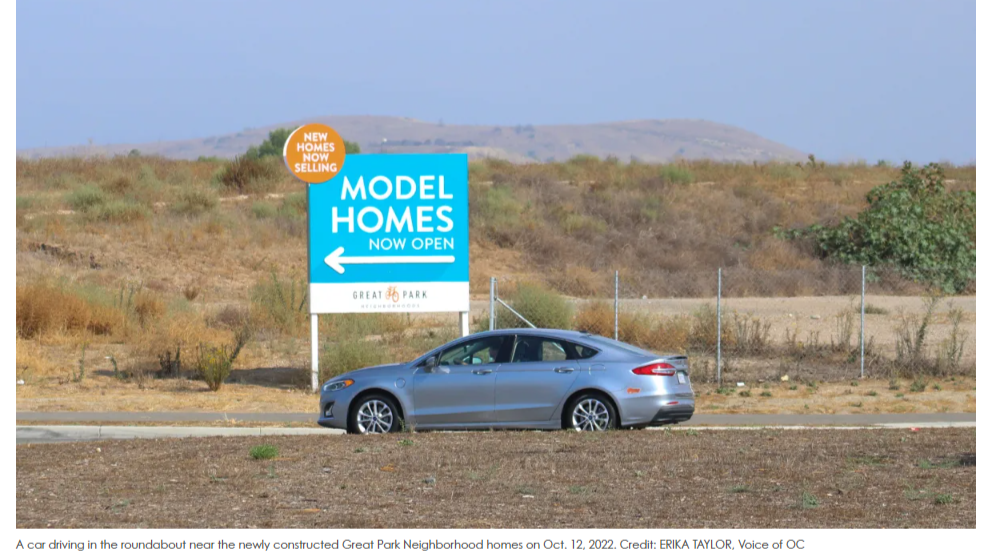
The Faces of Workforce Housing: City Employees
City employees often represent the very residents who need workforce housing the most. Many municipal workers do not earn enough to live in the cities and counties they serve, even though they keep essential services running every day. A recent piece notes that county employees earning twenty five to thirty five dollars per hour qualify for new workforce housing, along with many blue collar workers such as retail staff and bus drivers.
Triple Bottom Line Development
Tartan Residential is building a Triple Bottom Line product that delivers bright green apartments for the underserved workforce housing market while generating strong returns, supporting social responsibility, and improving energy efficiency. Investing slightly more in energy efficient systems creates long term benefits that can be monetized today as a gap‑filling capital source. A recent piece highlights how the TBL Fund is applying similar strategies to support sustainable retrofits for multifamily properties that serve underserved groups.
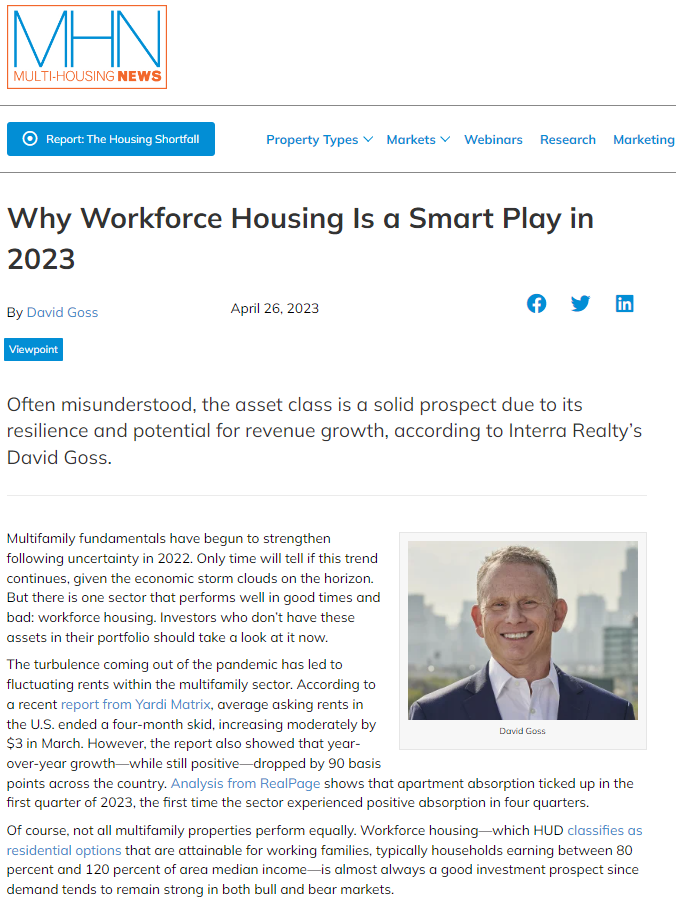
Workforce Housing: A Resilient Asset Class
Workforce housing continues to stand out as a resilient and durable asset class. Properties serving households earning between eighty and one hundred twenty percent of area median income tend to maintain strong demand in both expanding and contracting markets. Unlike luxury rentals that fluctuate with economic cycles, workforce housing is driven by necessity, resulting in lower turnover and greater stability even during periods of volatility.

Single Parents and Workforce Housing
Supporting single parents is one of the most overlooked needs in workforce housing. Many single parents report that their greatest challenge is the lack of a support system and a sense of community, which leaves them feeling isolated and overwhelmed as they balance work, childcare, and daily life. A recent piece highlights how deeply this gap affects families and why stronger community‑based housing models are essential.
Affordable and Workforce Housing Defined
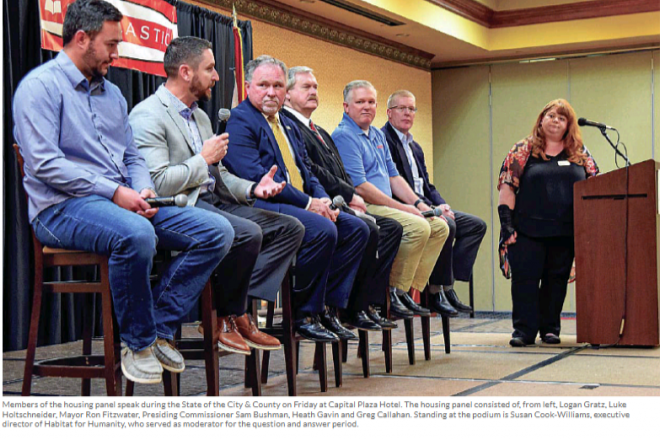
Affordable housing refers to any housing type, including low income, middle income, and luxury, that costs more than thirty percent of a family’s monthly income including utilities. The United States faces both a workforce housing problem and an affordable housing problem, driven largely by restrictive land use regulations and local permitting barriers. A recent piece highlights how middle class workers are increasingly priced out of safe, stable homes in their own communities.
Factory-Built Housing
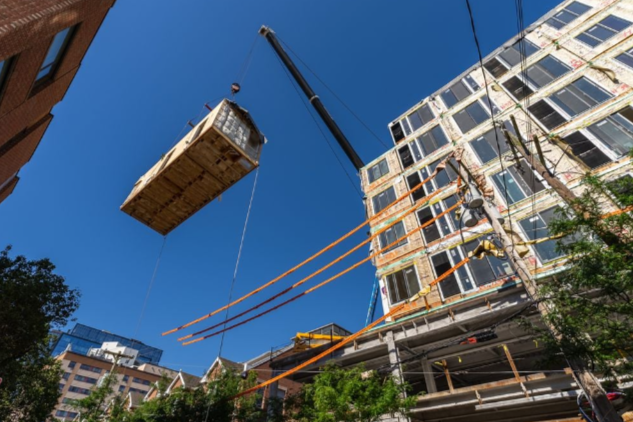
Factory built housing is gaining meaningful traction in the affordable housing space. Modular builders are reporting a shift away from market rate multifamily projects and toward affordable housing developments, with some pipelines moving from ten percent to nearly fifty percent in one year. This trend highlights the growing role of efficient, factory built systems in meeting the needs of working families.
The Plight of the Workforce Housing Renter
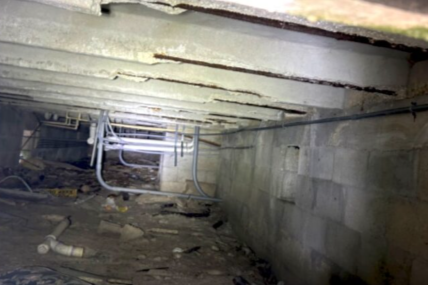
About thirty percent of renters nationwide earn too much to qualify for government‑subsidized housing and not enough to access newer market‑rate apartments. Many are forced into older units with fewer amenities in less desirable areas. This group includes police, firefighters, teachers, health care workers, manufacturing and construction workers, and administrative personnel. A recent news piece highlights the human impact of this shortage, including residents being told they must leave their homes due to unsafe conditions