
How to Keep Projects Affordable and Energy-Efficient
Unfortunately, most affordable and workforce housing developers use “first cost” as a metric for evaluating the feasibility of a project. They focus on construction cost reductions in an effort to close sources/uses gaps for their deals. Lower construction cost normally means less energy efficiency.
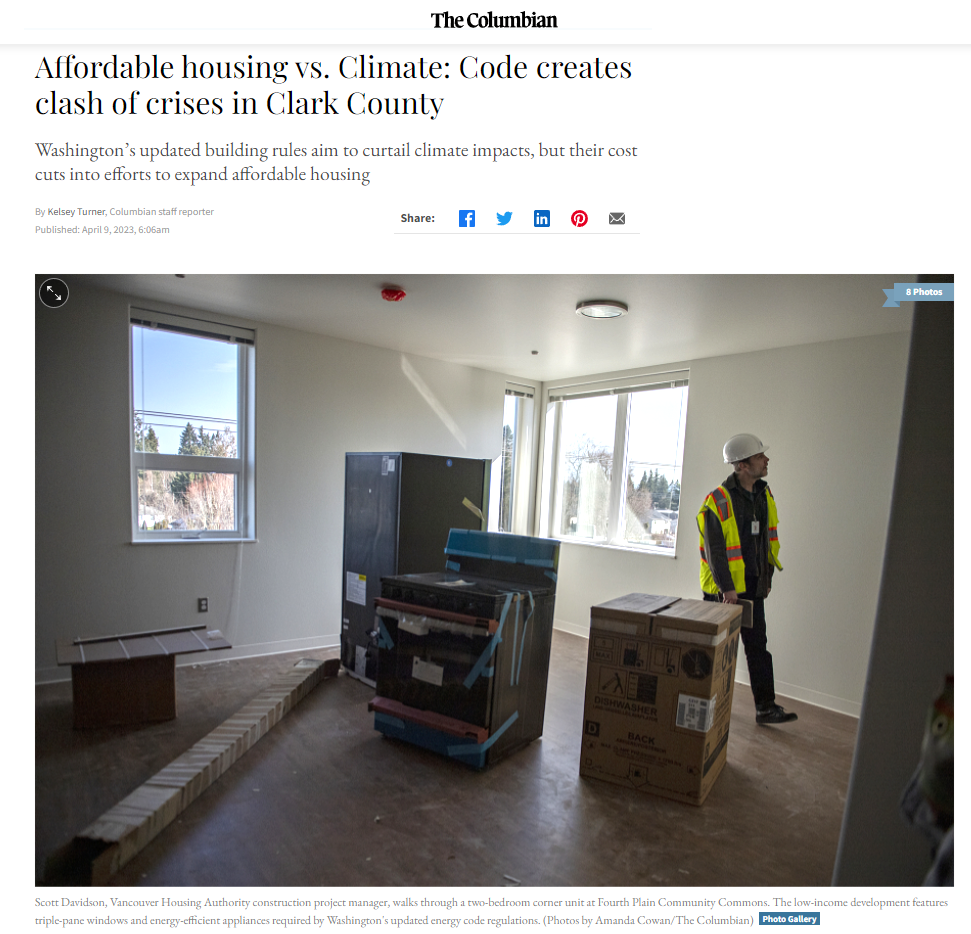
My development team discovered that by spending a little more on carefully-selected components, we can increase energy efficiency and attract private capital to close our sources/uses gaps. By focusing on “sources” rather than “uses” of funds, we are able to make our projects pencil out, keeping them affordable AND energy-efficient.
From the piece:
“Local developers say efforts to combat climate change are valuable, but the new rules are costly, threatening their ability to help resolve the region’s housing shortage.”
A link to the piece is found here
Check Out More Affordable Housing News
About the Author
Jeff Carroll is a trusted leader in workforce and affordable housing who has spent his career building communities that balance efficiency, affordability, and long term stability. He leads Allen & Associates Consulting and helped launch the Workforce Housing Development Corporation, guiding projects that use innovative construction methods and mission aligned financing. With thousands of consulting assignments completed nationwide and degrees from Clemson and Harvard, Jeff brings deep technical insight and steady strategic vision to every project he supports.

This post highlights the grand opening of Buchanan’s Crossing, a fully accessible mixed income community serving veterans and seniors in Kansas City, Kansas. Project sponsors, city leaders, lenders, investors, future residents, and the construction team gathered to celebrate the completion of the first phase. The development will ultimately include forty two and three bedroom duplex units and required a major off site sanitary sewer improvement, including a one hundred forty four foot bridge that supports utilities for the project and future growth in the area. Jeff Carroll and Bob Hughes addressed attendees before the ribbon cutting and walk through, marking an important milestone for the community.